
LAF’s strategic objective on knowledge building aims to strengthen and build on LAF’s role as a national knowledge hub on access to justice and legal aid. To strengthen this role LAF uses its expertise to carry out major research projects, which is used to pursue evidence-based advocacy for legal, policy, and administrative change leading to concrete changes in law, policy and practice.

Research and Advocacy
Since its establishment, LAF has had significant success with its advocacy for changes in law, regulations, policy, and practice in the provision of legal aid services, access to justice and the respect and protection of human rights. This success is a result of advocacy based on sound qualitative and quantitative research, and expert legal analysis. LAF presents its findings and recommendations through a range of tools which include the Publishing research reports and position papers, organizing and attending conferences, meetings, events and uses the media, as well as direct engagement with ministries and parliamentarians
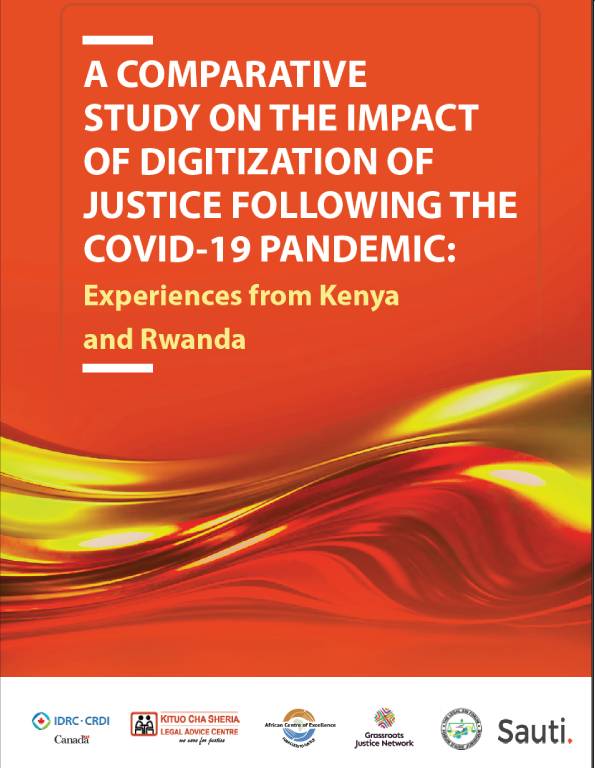
Research Reports



Capacity Building for Community-Based Paralegals
LAF strengthens the capacity of community-based paralegals to enhance access to justice at the grassroots level. Through comprehensive training programmes, we equip paralegals with practical legal knowledge, mediation skills, and a solid understanding of human rights principles to effectively support communities in resolving disputes and accessing justice services.
Our training initiatives focus on building the capacity of paralegals to provide legal information, assist with legal documentation, facilitate alternative dispute resolution, and refer complex cases to appropriate legal institutions. By investing in the professional development of community-based paralegals, LAF contributes to a more accessible, responsive, and community-centered justice system in Rwanda.
Capacity Building for Professional and Non-Professional Court Bailiffs
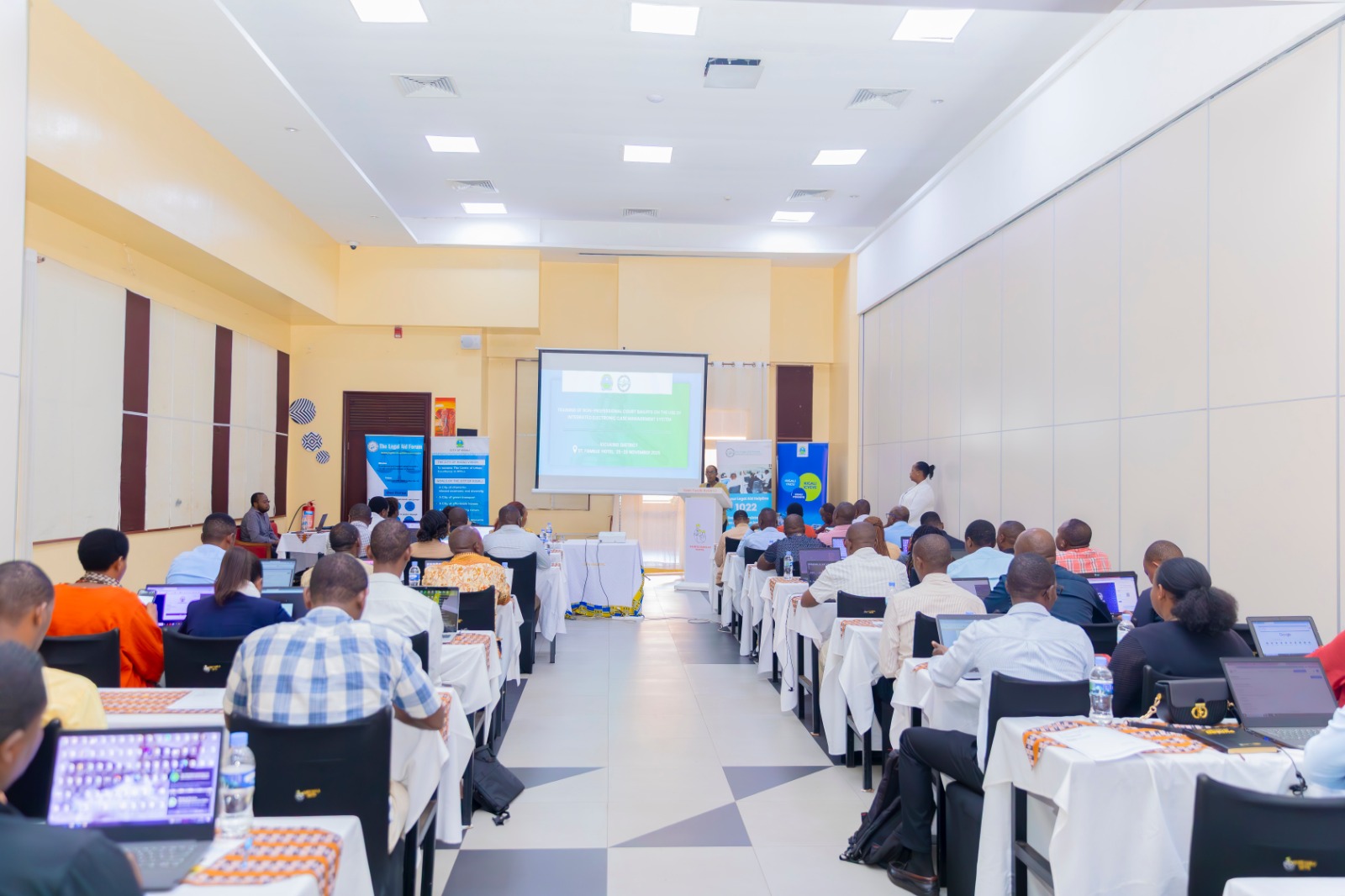
To promote effective access to justice, we have embarked on efforts to strengthen the capacity of both professional and non-professional court bailiffs on the use of the Integrated Electronic Case Management System (IECMS). This followed our assessment report "Capacity Needs Assessment on Access to Justice Delivery in Rwanda, May 2022" in which several respondents, including Professional Court Bailiffs, acknowledged several capacity challenges related to the use of IECMS.
Through our targeted training programmes, we equip court bailiffs with the technical knowledge and practical skills needed to effectively use IECMS throughout execution of court judgments. By enhancing their proficiency in the system, our trainings contribute to more efficient, timely, transparent, and accountable enforcement of court decisions, while improving the quality of justice services delivered to all, particularly poor and marginalized communities.
Human Rights Capacity Building for Vulnerable Groups
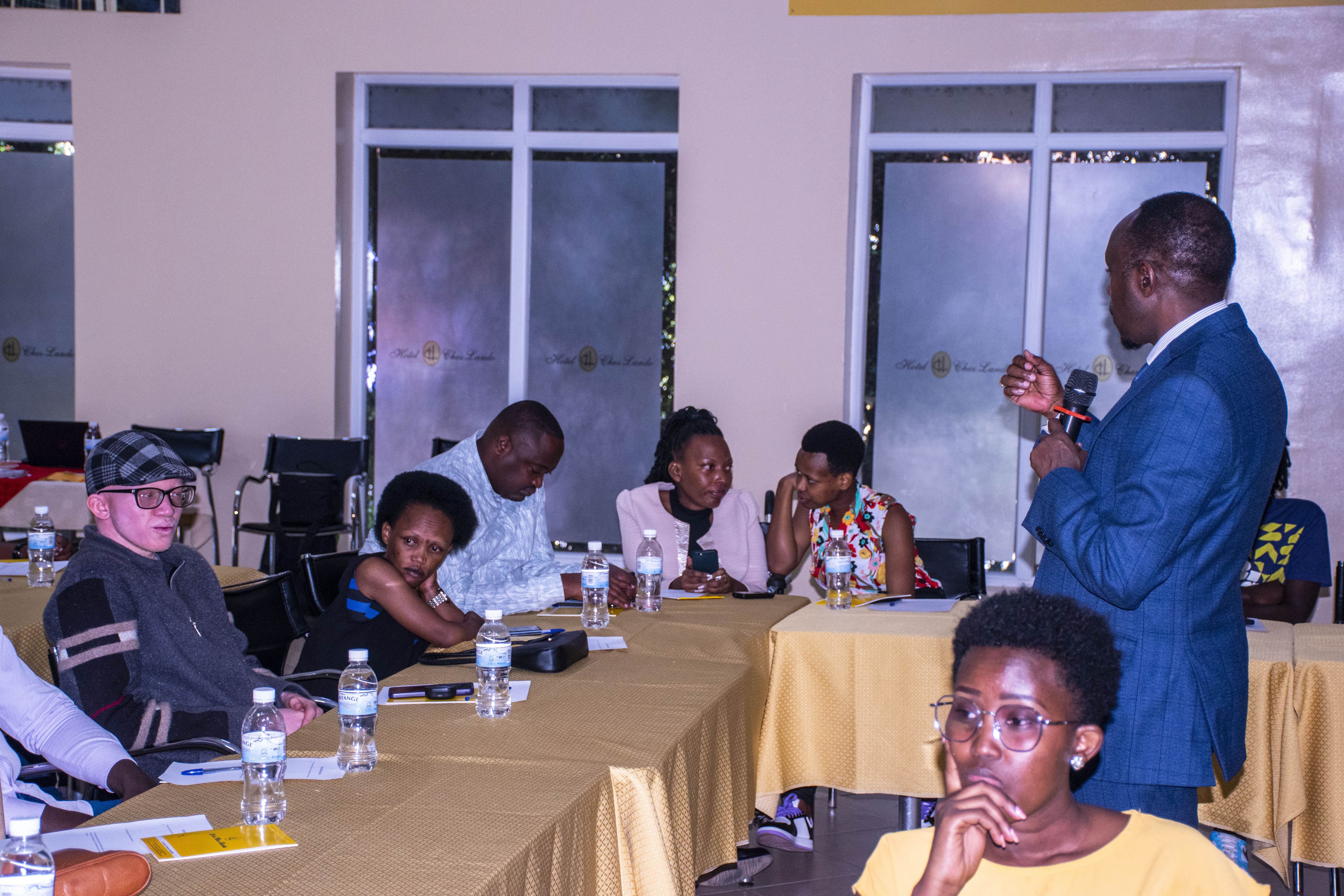
LAF strengthens the capacity of vulnerable groups, including women, persons with disabilities, older persons, and LGBTQ+ communities, to understand, promote, and advocate for human rights.
Through our tailored training programmes, different groups of vulnerable people gain practical knowledge of international human rights standards, develop effective communication and advocacy skills, and are empowered to raise awareness within their communities. By building a network of ToTs on human rights, LAF promotes inclusive participation and contributes to a stronger culture of human rights in Rwanda.
Capacity Building for Journalists
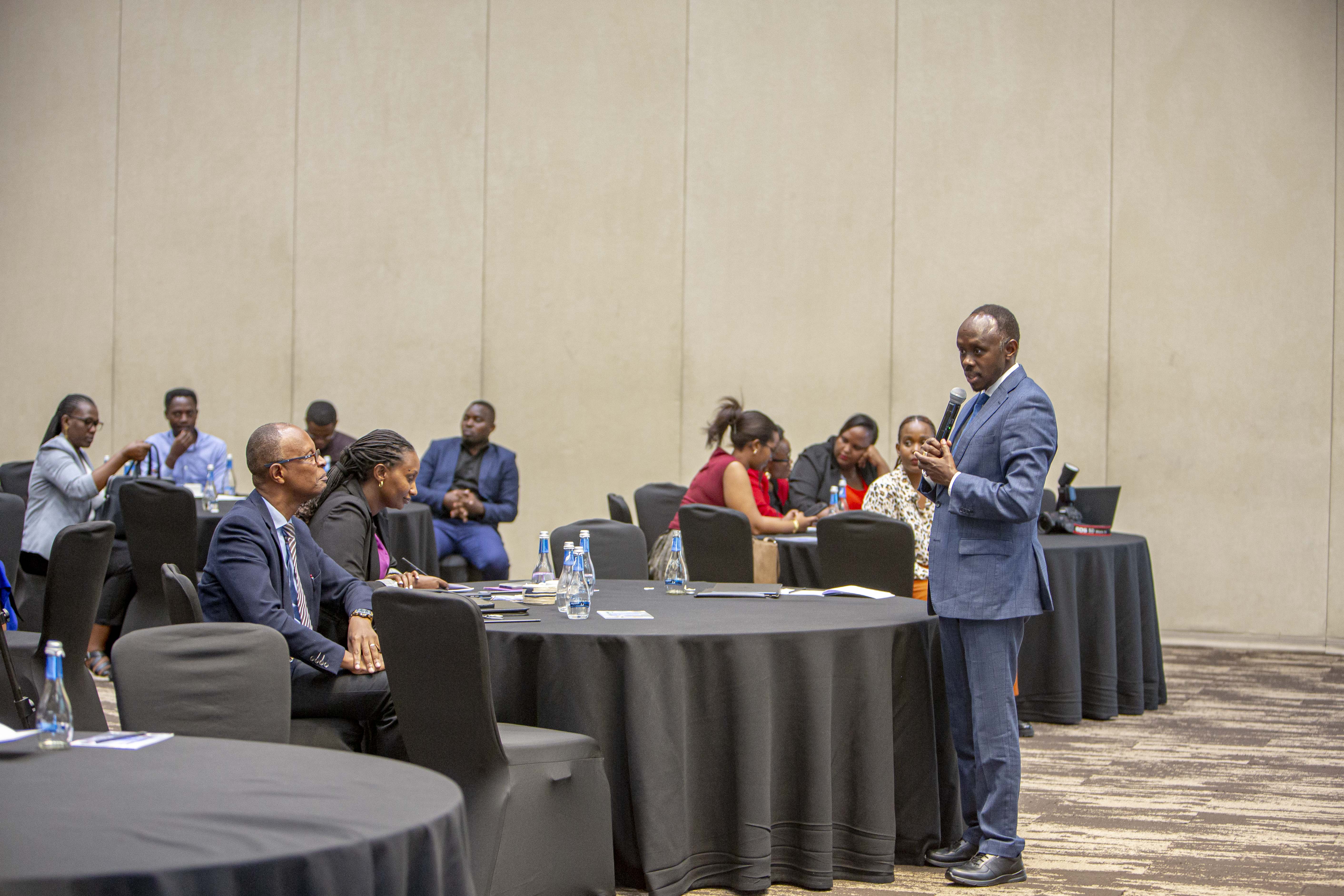
LAF strengthens the capacity of journalists to promote responsible and ethical reporting. Our training programmes aim to equip media professionals with the knowledge and skills to accurately report on legal and human rights matters, while enhancing their understanding of the legal and regulatory framework governing the media sector.
We also build the capacity of journalists in digital media literacy and ethics, identifying and countering misinformation and disinformation, and the responsible use of digital platforms. Through these initiatives, we aim to promote a professional, informed, and accountable media that advances access to justice, and combats the spread of false and harmful information.